
Real stories. Shared experiences.
Stefano Pavanello
Italy
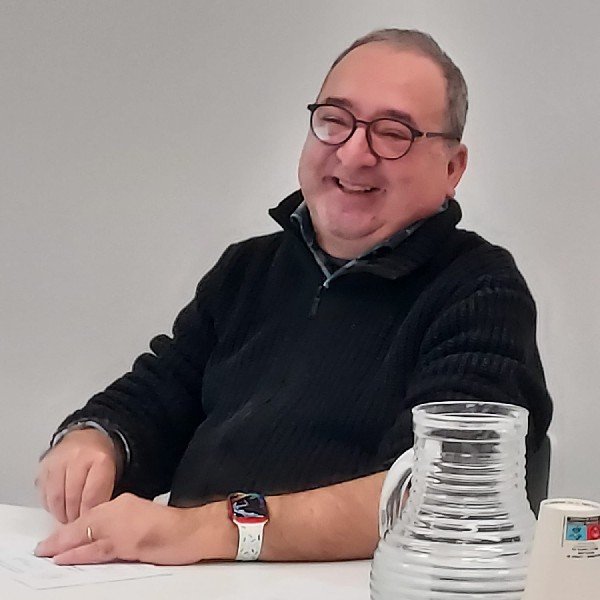
I have spent most of my life waiting for the right moment to undergo the transplant that would change my life. This is because, from the age of 10, I knew that there was no cure for my illness and that it was progressive. At that time, a lung transplant was not yet a reality, but I knew that sooner or later it would be possible, just as it was for other organs. I tried to make the most of my life, but the illness kept robbing me of my breath and my hope. At the age of 45, a severe relapse made me realise that the time had come: as soon as I’d recovered, I asked to be put on the waiting list. Fortunately, the wait was short: after nine months, I received the phone call informing me that my new life was about to begin. Everything went smoothly, and as fate would have it, our local association needed a leader. Since then, I have been involved in patient advocacy, devoting all my time to making the journey easier for others.
What happened? What challenges did you face? What helped you along the way?
I had to try to hold out and wait for the right moment to have the transplant. I would have been eligible for a transplant as early as the age of 33, but I chose to hang in there and wait, because at that time lung transplants were still almost experimental. Fortunately, I managed to stay determined once I realised the time was right.
Did you experience any particular challenges during COVID-19 or another healthcare disruption?
I went ahead and had all the vaccinations without hesitation; in fact, I campaigned hard to ensure that transplant recipients were given priority. I was, of course, very careful, taking every possible precaution. I thought I’d come through it unscathed, but in September 2024 I became infected whilst attending a major European conference. It was a very difficult experience, which resulted in me spending three months in hospital and three days in intensive care.
What do you think healthcare professionals and policymakers could learn from your experience?
I think that, despite the excellent standards achieved, the transplant experience is still treated in a very compartmentalised way by surgeons and doctors, both before and after the transplant. Not to mention the inadequate psychological support. It would be helpful to have people to support you throughout the whole process, as I try to do for those who turn to our association.
What message would you like to share with others facing a similar journey?
The key thing is trust. First and foremost, trust in the procedure – not as a last resort, but as a real opportunity to start a new life. Trust the doctors and their advice and, last but not least, get in touch with a patients’ organisation and speak to some fellow patients. Those who have already been through it can best advise you on how to deal with any discomfort or complications.